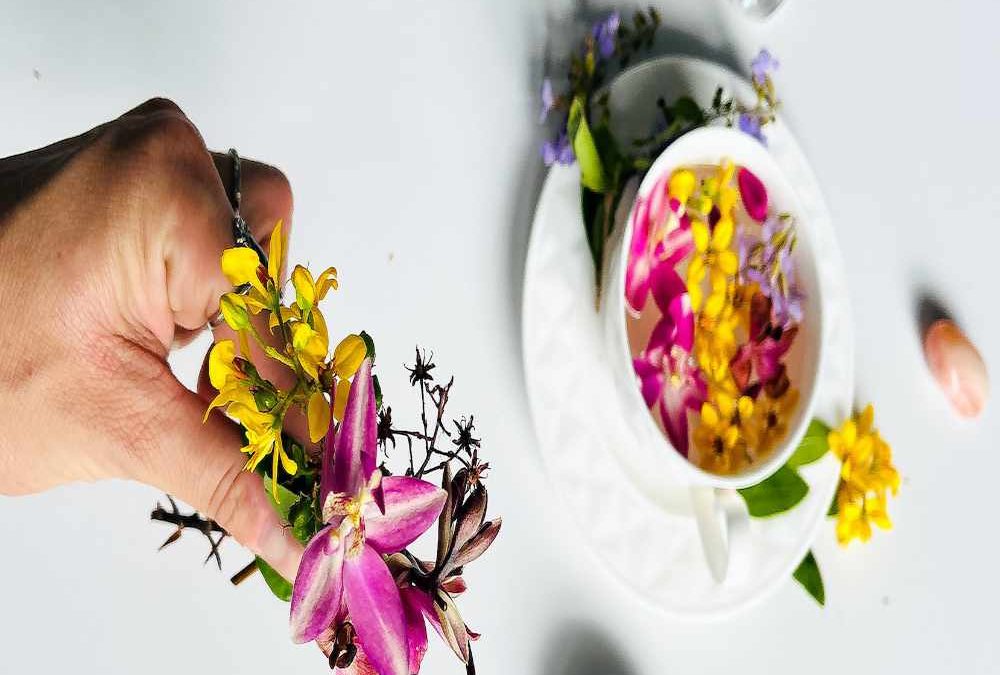
Edible flowers have been used for culinary and medicinal purposes for centuries. They add a unique touch of beauty and flavour to dishes, and their health benefits have been recognized by many cultures throughout history. In this article, we will explore the world of edible flowers, including their history, health benefits, and how to use them in your cooking.
History of Edible Flowers
Edible flowers have been used in culinary and medicinal practices for thousands of years. In ancient Egypt, they were used to make lotions and perfumes, while the Greeks and Romans used them in salads and as garnishes. In traditional Chinese medicine, flowers have been used to treat a variety of ailments, including depression, anxiety, and digestive issues. The use of edible flowers has also been a significant part of Indian Ayurvedic medicine, where they are used to improve digestion, treat skin conditions, and boost immunity.
In the Middle Ages, flowers were a popular ingredient in medieval cuisine. They were used in a variety of dishes, including stews, soups, and desserts. During the Renaissance, the use of flowers in cooking became more elaborate, with chefs creating elaborate edible flower arrangements for banquets and other special occasions.
Health Benefits of Edible Flowers
Edible flowers are not only beautiful but also have numerous health benefits. They are rich in antioxidants, which protect the body from harmful free radicals that can cause cellular damage. They also contain vitamins and minerals, including vitamins A, C, and E, as well as iron, calcium, and potassium.
Different flowers have different health benefits. For example, chamomile flowers have a calming effect on the body, while marigold flowers are anti-inflammatory and can help soothe irritated skin. Calendula flowers are also anti-inflammatory and have been used to treat skin conditions such as eczema and psoriasis. Lavender flowers have a calming effect on the nervous system and can help alleviate anxiety and stress.
Using Edible Flowers in Cooking
Edible flowers can be used in a variety of dishes, from salads and soups to desserts and cocktails. They add a unique touch of flavour and beauty to any dish, and their health benefits make them an excellent addition to any diet. Here are some ways to use edible flowers in your cooking:
Salads: Edible flowers add colour and flavour to salads. They pair well with bitter greens such as arugula and radicchio. Nasturtium flowers have a slightly peppery flavour and can add a spicy kick to salads.
Soups: Add a few edible flowers to your soup for a pop of colour and flavour. Chive flowers are a great addition to creamy soups, while rose petals can add a delicate floral flavour to clear soups.
Desserts: Edible flowers are a beautiful addition to desserts, especially cakes and cupcakes. Lavender flowers pair well with lemon cakes, while rose petals can be used to decorate chocolate cakes.
Cocktails: Edible flowers can be used to garnish cocktails, adding a touch of elegance and flavour. Hibiscus flowers can be used to make delicious and refreshing hibiscus margaritas.
Types of Edible Flowers
Roses – petals can be used in salads, jellies, jams, and teas.
Lavender – can be used to flavour desserts, sauces, and drinks
.Nasturtiums – have a slightly peppery taste and can be used in salads, sandwiches, and as a garnish.
Calendula – also known as marigold, can be used in soups, stews, and as a natural food colouring.
Chamomile – can be used to flavour tea, baked goods, and desserts.
Hibiscus – can be used to make tea, syrups, and as a garnish.
Pansies – have a mild, sweet flavour and can be used in salads, desserts, and as a garnish.
Violets – can be used in salads, desserts, and as a natural food colouring.
Dandelions – have a slightly bitter taste and can be used in salads, stir-fries, and as a natural food colouring.
Chrysanthemums – can be used in soups, stews, and as a garnish.
Note: It’s important to note that not all flowers are edible, and some can be toxic. Make sure you do your research before consuming any flowers.
.

Chartreuse is a French liqueur that is made by Carthusian monks in the Grande Chartreuse monastery located in the Chartreuse Mountains in southeastern France. It is a green or yellow herbal liqueur that has a long and storied history, dating back to the 17th century.
The recipe for Chartreuse is a closely guarded secret, known only to two monks at any given time. The recipe is said to contain over 130 different herbs and botanicals, and the exact combination and proportion of these ingredients are what gives Chartreuse its unique flavour.
The liqueur is named after the Chartreuse Mountains, which were named after the Carthusian monks who founded the Grande Chartreuse monastery in 1084. The name “chartreuse” has since come to refer to any greenish-yellow colour.
There are two primary varieties of Chartreuse: green and yellow. Green Chartreuse is the original and more famous of the two, with a higher alcohol content of 55% ABV. It has a complex and powerful flavour, with notes of herbs, spices, and flowers. Yellow Chartreuse is slightly sweeter and mellow, with a lower alcohol content of 40% ABV. It has a more citrusy and floral flavour profile, with hints of honey and vanilla.
Chartreuse can be enjoyed on its own as a digestif, or as an ingredient in cocktails. Some popular cocktails that feature Chartreuse include the Last Word, the Champs-Élysées, and the Bijou.
The Carthusian monks have produced Chartreuse since the 1700s, and its production has remained largely unchanged over the centuries. The process begins with the maceration of the various herbs and botanicals in a high-proof neutral spirit. The resulting mixture is distilled, and the distillate is then aged in oak barrels for several years. The final product is a complex and flavourful liqueur that is prized by connoisseurs around the world.
Chartreuse has a rich history and has been enjoyed by many notable figures throughout the centuries. In the 18th century, it was a favourite of King Louis XV of France, who granted the Carthusian monks the exclusive right to produce the liqueur. It was also reportedly a favourite of Napoleon Bonaparte, who was said to have carried a bottle of it with him on his campaigns.
Chartreuse has also been the subject of many legends and myths. One such myth is that the recipe for Chartreuse was given to the Carthusian monks by an angel in a dream. Another myth is that the recipe was discovered by the monks in a secret manuscript hidden in a wall of the monastery.
Cocktails made with Chartreuse
Chartreuse is a versatile liqueur that can be used in a variety of cocktails. Here are some popular cocktails made with Chartreuse:
The Last Word: This classic cocktail was popularized during Prohibition and features equal parts gin, green Chartreuse, maraschino liqueur, and lime juice. Shake all the ingredients with ice and strain into a chilled glass.
The Bijou: This gin-based cocktail includes sweet vermouth, green Chartreuse, and orange bitters. Stir all the ingredients with ice and strain into a chilled glass.
The Champs-Élysées: This French cocktail includes cognac, green Chartreuse, lemon juice, sugar, and bitters. Shake all the ingredients with ice and strain into a chilled glass.
The Naked and Famous: This modern cocktail includes mezcal, Aperol, lime juice, and yellow Chartreuse. Shake all the ingredients with ice and strain into a chilled glass.
The Alaska: This classic cocktail includes gin, yellow Chartreuse, and orange bitters. Stir all the ingredients with ice and strain into a chilled glass.
The Greenpoint: This whiskey-based cocktail includes rye whiskey, yellow Chartreuse, sweet vermouth, and Angostura bitters. Stir all the ingredients with ice and strain into a chilled glass.
The Diamondback: This whiskey-based cocktail includes rye whiskey, apple brandy, and green Chartreuse. Stir all the ingredients with ice and strain into a chilled glass.
The Widow’s Kiss: This brandy-based cocktail includes apple brandy, yellow Chartreuse, Benedictine, and Angostura bitters. Stir all the ingredients with ice and strain into a chilled glass.
The Tipperary: This Irish whiskey-based cocktail includes Irish whiskey, sweet vermouth, and green Chartreuse. Stir all the ingredients with ice and strain into a chilled glass.
The Chartreuse Swizzle: This refreshing cocktail includes green Chartreuse, lime juice, pineapple juice, and Angostura bitters. Stir all the ingredients with crushed ice and garnish with a mint sprig.
These are just a few examples of the many cocktails that can be made with Chartreuse. Its unique flavour profile can add depth and complexity to a wide range of cocktails, making it a favourite ingredient among bartenders and cocktail enthusiasts alike.

Some classic and different flavors to explore!
1. Irish Coffee
•2 oz Irish whiskey
•1 tsp brown sugar
•4 oz hot coffee
•Heavy cream
Directions:
•In a warmed glass, add Irish whiskey and brown sugar.
•Add hot coffee and stir until the sugar is dissolved.
•Gently pour the heavy cream over the back of a spoon to float on top of the coffee. Serve hot.
2. Shamrock Sour
•2 oz Irish whiskey
•1 oz lime juice
•1 oz simple syrup
•1/4 oz green creme de menthe
•Lime wheel and maraschino cherry for garnish
Directions:
•Fill a shaker with ice and add Irish whiskey, lime juice, simple syrup, and green creme de menthe.
•Shake until chilled, then strain into a glass filled with ice.
•Garnish with a lime wheel and maraschino cherry.
3. Celtic Twilight
•2 oz Irish whiskey
•1 oz apple schnapps
•1/2 oz triple sec
•1 oz cranberry juice
•Apple slice for garnish
Directions:
•Fill a shaker with ice and add Irish whiskey, apple schnapps, triple sec, and cranberry juice.
•Shake until chilled, then strain into a glass filled with ice.
•Garnish with an apple slice.
3. Emerald Isle Martini:
Ingredients:
•2 oz Irish gin
•1 oz green chartreuse
•1/2 oz lime juice
•1/2 oz simple syrup
•Lime wheel
Directions:
1 Combine all ingredients in a cocktail shaker.
2 Add ice and shake vigorously for 10-15 seconds.
3 Strain into a chilled martini glass.

As winter fades and the weather warms up, it’s time to welcome the arrival of spring! Spring is a season of new beginnings and rejuvenation, and it’s also a time to explore new flavours and ingredients in the kitchen. In this article, we’ll take a look at some of the top spring flavours for 2023 that are sure to inspire you to get creative in the kitchen.
1. Fresh Herbs
Fresh herbs are a staple in many dishes, but they really shine in the springtime. As the weather warms up, herb gardens come back to life, and there’s an abundance of fresh
basil, mint,
thyme, and rosemary available. Herbs add a fresh, bright flavour to salads, pasta dishes, and soups, and they can also be used to make pesto, salsa verde, and other delicious sauces.
2. Asparagus
Asparagus is a quintessential spring vegetable, and it’s packed with flavour and nutrition. This tender, green vegetable is perfect for roasting, grilling, or sautéing, and it pairs well with a variety of ingredients, including lemon, garlic, and Parmesan cheese. Asparagus is also a great source of folate, vitamin C, and fibre, making it a healthy addition to any meal.
3. Peas
Peas are another spring vegetable that’s bursting with flavour and nutrients. Fresh peas are sweet, tender, and perfect for adding to salads, soups, and pasta dishes. They’re also a great source of protein, fibre, and vitamins A, C, and K. If you’re feeling adventurous, you can even try making your own pea puree or soup for a delicious and healthy springtime meal.
4. Rhubarb
Rhubarb is a tart, tangy vegetable that’s often used in desserts and baked goods. This springtime favourite is perfect for pies, crumbles, and tarts, and it pairs well with strawberries and other berries for a delicious and refreshing flavour. Rhubarb is also a good source of fibre, vitamin K, and antioxidants, making it a healthy addition to any springtime menu.
5. Citrus Fruits
Citrus fruits are a great way to add a burst of flavour to any dish, and they’re especially popular in the springtime. Oranges, lemons, limes, and grapefruits are all in season during the spring, and they can be used to make everything from salads to marinades to cocktails. Citrus fruits are also packed with vitamin C, which can help boost your immune system and keep you healthy all season long.
6. Artichokes
Artichokes are versatile spring vegetables that can be used in a variety of dishes. They’re delicious when grilled, roasted, or steamed, and they pair well with lemon, garlic, and olive oil. Artichokes are also a good source of fibre, folate, and vitamins C and K, making them a healthy and delicious addition to any springtime meal.
7Strawberries
Strawberries are one of the most popular spring fruits, and for good reason. They’re sweet, juicy, and packed with flavour, and they can be used in everything from desserts to salads to smoothies. Strawberries are also a good source of fibre, vitamin C, and antioxidants, making them a healthy addition to any springtime menu.
7. Mint
Mint is a refreshing herb that’s perfect for adding flavour to salads, drinks, and desserts. This versatile herb pairs well with chocolate, lemon, and other citrus fruits, and it can also be used to make mint tea or mint infused water for a refreshing and healthy drink. Try adding fresh mint leaves to your cocktails, using it to make a refreshing iced tea, or mixing it into your favourite spring salad. Mint is also a good source of vitamin C, iron, and antioxidants, making it a healthy addition to your spring cuisine.
8. Strawberries
Strawberries are one of the most popular spring fruits and for good reason. They’re sweet, juicy, and packed with flavour, and they can be used in everything from desserts to salads to smoothies. Strawberries are also a good source of fibre, vitamin C, and antioxidants, making them a healthy addition to any springtime menu.
9. Radishes
Radishes are a crisp and refreshing spring vegetable that can be used in a variety of dishes. They are often used in salads or as a topping for tacos and sandwiches, adding a pop of colour and crunch to the dish. Radishes are also a good source of vitamin C, folate, and potassium.
10. Honey
Honey is a sweet and fragrant natural sweetener that is perfect for spring beverages and desserts. It can be used to sweeten tea, lemonade, and cocktails, or used as a topping for yogurt, pancakes, and waffles. Honey is also known for its antibacterial and anti-inflammatory properties, making it a healthy choice as well.

Lisbon, the capital of Portugal, is known for its rich history, vibrant culture, and
delicious food. From fresh seafood to savoury pastries, there is no shortage of must-try dishes in this beautiful city. Here are some of the top foods you simply must try when visiting Lisbon.
Pastéis de Nata
If there is one food that is synonymous with Lisbon, it is the Pastéis de Nata, also known as Portuguese custard tarts. These small, creamy tarts are a staple in Lisbon and can be found in bakeries and cafes throughout the city. The pastry is made of flaky, buttery layers, while the filling is made with egg yolks, sugar, and cream, resulting in a deliciously sweet and creamy dessert.
Bacalhau
Bacalhau, or salt cod, is a staple ingredient in Portuguese cuisine and a must-try when in Lisbon. It is traditionally prepared in a variety of ways, including baked, fried, or grilled. The most popular preparation is bacalhau com natas, which is a creamy casserole made with salt cod, potatoes, and onions.
Sardinhas
Sardinhas, or grilled sardines, is another popular seafood dish in Lisbon. These small, oily fish are usually grilled over charcoal and served with roasted peppers and bread. Sardinhas are a common sight at Lisbon’s street festivals, especially during the Feast of Saint Anthony in June.
Caldo Verde
Caldo Verde, or “green soup,” is a simple but delicious traditional soup made with potatoes, onions, kale, and chorizo. It is typically served as an appetizer and is a hearty and warming dish that is perfect for the cooler months.
Cozido à Portuguesa
Cozido à Portuguesa is a hearty stew made with a variety of meats and vegetables, including beef, pork, chicken, carrots, and potatoes. It is a filling and satisfying dish that is perfect for a chilly evening.
Pão com Chouriço
Pão com Chouriço is a popular snack in Lisbon and is simply a roll of bread stuffed with chouriço sausage. It is a delicious and easy-to-eat snack that is perfect for when you’re on the go.
Bifanas
Bifanas are traditional Portuguese sandwiches made with thinly sliced pork and served on a roll. The meat is marinated in garlic and white wine before being cooked, resulting in a delicious and tender sandwich that is perfect for lunch.
Arroz de Marisco
Arroz de Marisco, or seafood rice, is a classic Portuguese dish that is popular in Lisbon. It is made with a variety of seafood, including shrimp, clams, mussels, and sometimes even lobster. The rice is cooked in a rich, flavorful broth made from seafood, resulting in a delicious and satisfying dish.
Queijadas de Sintra
Queijadas de Sintra is sweet pastries that originated in the town of Sintra, just outside of Lisbon. They are made with a mixture of cheese, sugar, and cinnamon, and are a delicious and unique dessert that you won’t want to miss.
Ginjinha
Ginjinha is a traditional Portuguese liqueur made from sour cherries. It is typically served in small cups and is a popular drink in Lisbon. You can find it in bars and cafes throughout the city, and it is the perfect way to cap off a delicious meal.
Lisbon is a food lover’s paradise, with a variety of delicious dishes to try. From traditional Portuguese favourites like Pastéis de Nata and Bacalhau to more unique dishes

Do you love the taste of a fresh cup of coffee in the morning? If so, you’re not alone. Millions of people around the world enjoy a good cup of coffee each and every day. But what if we told you that the quality of water you use to brew your coffee could make a big difference in terms of flavor? Believe it or not, the quality of your water can significantly impact the final product. In this article, we will explore the topic of water quality and coffee brewing. We’ll discuss why water matters and provide tips for getting the best results from your coffee beans. Let’s get started.
Does the Quality of Water Matter When Brewing Coffee?
The answer is a resounding yes. The quality of water used to brew coffee directly affects the final product’s taste and flavor. Different types of water can create different flavors, so it pays to use the right type for your coffee beans.
But how does this work, exactly? When brewing coffee, the water extracts certain elements from the ground beans. Hard or mineral-rich water causes bitterness, while soft or purer water can create a mellower flavor. Depending on your preference, you may want to use distilled or filtered water instead of tap water for the best results. It is worth buying a water filter system or using a water filter pitcher to ensure that you have good-quality water for brewing. This will help remove excess minerals and chlorine from your water, resulting in a better-tasting cup of coffee.
How Water Affects the Quality of Coffee
Various water factors can affect the taste of coffee, including temperature, pH balance, and mineral content.
Water Temperature
The ideal water temperature for brewing coffee is between 195 and 205 degrees Fahrenheit. Water that is too cold can take longer to extract flavors from the beans, while water that is too hot can cause bitterness.
If you want a cold coffee, you can make a cold brew by steeping coffee grounds at room temperature or cold water for an extended period of time. This enables the grounds to slowly release their flavor instead of being quickly extracted with hot water.
Water pH Balance
The ideal range for brewing coffee is between 6 and 7. Anything above or below this range can make your coffee taste too acidic or bitter. The mineral content in the water partially determines the acidity in coffee, so it’s best to use filtered water rather than tap water.
When you filter the water, it will remove some of the natural minerals and lower the pH balance, allowing you to get coffee that has a smoother flavor.
Mineral Content
The mineral content can also affect the taste of your coffee. Hard water contains many minerals, such as calcium and magnesium, while soft water is free from most minerals. Using hard water will extract more elements from the beans, resulting in a stronger flavor. On the other hand, soft water can create a mellow flavor.
Tips for Choosing the Right Water to Brew Coffee
When choosing the right type of water for brewing coffee, consider these tips:
- Choose filtered or distilled water when possible: This will help reduce the amount of impurities in your brew. Ensure to use the right filters to remove chlorine and other elements.
- Check the temperature of your water when brewing. Use a thermometer to ensure it’s between 195 and 205 degrees Fahrenheit. You can heat or cool it down if needed to get the right temperature.
- Test the pH balance of your water before using it. This will give you an idea of the acidity of your brew. Aim for a pH balance between 6 and 7.
- Pay attention to the mineral content: Hard water can create a bitter flavor, while soft water can create a mellower taste. Ensure to filter the water to remove unwanted minerals.
Other Factors to Consider When Brewing Coffee

In addition to water quality, there are several other factors to consider when brewing coffee. This includes the type of coffee beans used and the grind size of the beans. Different kinds of beans will produce different flavors, and grinding them too finely or coarsely can also affect the outcome. Therefore, it pays to experiment with different beans and grind sizes to find the optimal flavor for your taste.
Besides, having the right tools and equipment is essential for a good cup of coffee. Investing in quality tools such as a burr grinder, scale and thermometer can make all the difference.
Brewing coffee requires more than just boiling water. Water quality plays an important role in the flavor of your brew, so it’s important to consider factors such as temperature, pH balance, and mineral content. Filtering your water can help remove unwanted elements and minerals, resulting in a smoother cup of coffee. Experimenting with different types of beans, grind sizes, and tools will also help you create the perfect cup of brew.

