
Spices have always had a way of stirring things up—sometimes literally, sometimes politically. They’ve flavoured soups, sparked wars, inspired travel, and even ruined royal stomachs. From kings with extravagant tastes to entertainers who couldn’t resist a bit of chilli heat, spice lovers have popped up in every corner of history. Let’s take a wander through their peppery passions.
Monarchs Who Wouldn’t Settle for Bland
Medieval rulers adored spices. They weren’t just a seasoning; they were a status symbol. If you were rich, you didn’t just sprinkle cinnamon—you poured it on like confetti at a parade.
Take King Richard II of England. His kitchen records show he went through saffron like it was table salt. Saffron remains the most expensive spice in the world today. Imagine his cooks: “Your Majesty, we’ve used today’s entire supply in one pie. Should I order another cartload?”
Over in France, Louis XIV had an entire court culture that revolved around showy food, with nutmeg, cloves, and cinnamon making their way into every dish. Spices were as much about power as taste—if you could afford them, you could show off.
And let’s not forget Queen Elizabeth I. She had such a fondness for gingerbread that she even had biscuits shaped like her own face. If that’s not the ultimate ego snack, what is?
Explorers with Pepper Fever
Spices didn’t just stay in kitchens. They launched ships. Christopher Columbus went west looking for pepper and cinnamon. He didn’t find them, but he did stumble across chilli peppers in the Americas, which Europeans quickly adopted. They liked the heat but were a bit puzzled—where were the “real” spices?
Vasco da Gama actually did manage to find India by sea, opening the floodgates for the Portuguese spice trade. He brought back black pepper, cinnamon, and other wonders that suddenly made European dishes taste less like boiled cabbage and more like something you’d actually want to eat.
Even Magellan’s crew, though most of them didn’t survive the voyage, managed to return with a shipload of cloves. That single haul of spice was worth more than the expedition itself. Imagine being one of the few sailors who lived: “I’ve lost all my friends, but at least I’m sitting on a fortune in cloves.”
Chefs Who Went Heavy-Handed
Of course, without cooks, all that pepper and cinnamon would just gather dust in jars. Some chefs throughout history have been true spice fanatics.
Take Apicius, the Roman food writer. His cookbook, De Re Coquinaria, is filled with spice-heavy recipes—pepper was everywhere, often drowning out the other flavours. Roman diners apparently enjoyed food that scorched their tongues and wallets in equal measure.
Fast-forward to the 20th century and you get Julia Child, who introduced French cooking to North America with lashings of herbs and spices. She wasn’t shy about garlic either, declaring that no proper cook should be afraid of it. The woman was practically a garlic activist.
And then there’s Madhur Jaffrey, who revolutionised how Western audiences thought about Indian spices. Her recipes showed that cumin, coriander, turmeric, and cardamom could transform the dullest stew into something extraordinary.
Entertainers Who Craved Heat
It’s not just monarchs and explorers—performers have also been spice enthusiasts.
Elvis Presley famously adored fried peanut butter and banana sandwiches, but he was also partial to spicy southern dishes loaded with cayenne and paprika. Maybe that hip-shaking wasn’t just rhythm—it could’ve been indigestion.
In more recent years, Chrissy Teigen has built an empire partly on her love of hot, spicy food. Her cookbooks celebrate chillies and bold flavours, proving that spice is as Instagrammable as it is tasty.
Even George Clooney has dipped into the spice game, though via tequila. Agave isn’t exactly a spice, but tequila cocktails often involve chilli salt rims and spicy syrups. If Clooney is serving them, they count.
Spice: The Great Connector
What’s striking is how universal spice love has been. Monarchs hoarded it, explorers chased it, chefs worshipped it, and entertainers flaunted it. Spices were currency, medicine, and magic dust all rolled into one.
They’ve also been troublemakers. Empires were built and torn apart over nutmeg. Cooks were fired (or worse) for skimping on saffron. And even today, friendships can be tested over who can handle the hottest curry.
So, whether you’re tossing cinnamon into porridge, splashing chilli oil on dumplings, or sipping a spiced cocktail, you’re part of a long, quirky tradition. History isn’t just written in battles and treaties—it’s written in peppercorns and gingerbread biscuits too.
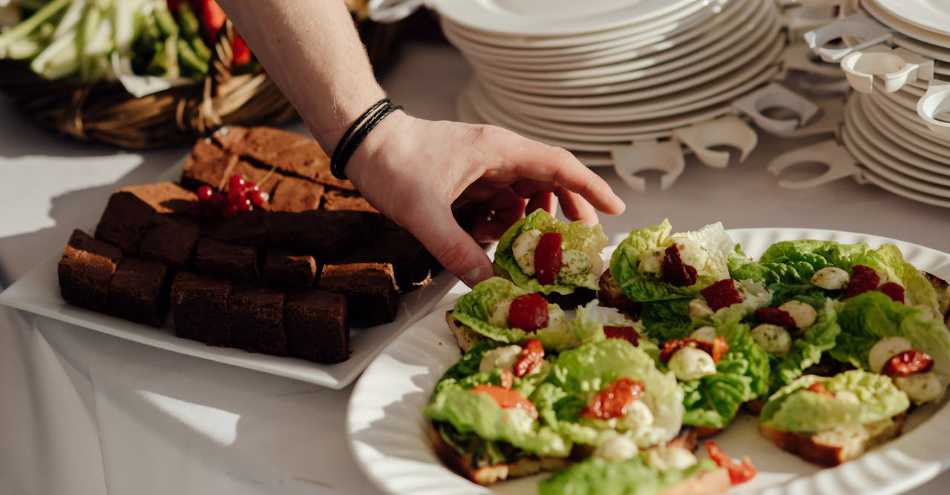
Lettuce wraps are the perfect vehicle for delivering fresh, flavour-packed meals that are low in carbs and calories but high in protein. Whether you’re following a keto plan, cutting calories, or just looking for a satisfying way to eat more greens, lettuce wraps offer a crunchy, refreshing alternative to bread or tortillas—without sacrificing taste or satiety.
At the heart of a great lettuce wrap is a filling that balances lean protein with bold flavour. Think grilled meats, tofu, or legumes, spiced and sauced to perfection. Skip the heavy sauces or sugary marinades, and instead, lean into herbs, spices, vinegars, and citrus to keep things light but lively. Add crunch with vegetables like cucumbers, shredded carrots, or radishes, and finish with a topping like chopped nuts or seeds for texture.
When choosing proteins, go for options like grilled chicken breast, turkey, shrimp, tuna, tofu, or even lean ground meats. Many of these can be prepped ahead for quick weeknight meals. They’re all excellent sources of protein and, when prepared simply, keep calories and carbs in check.
Another advantage? Lettuce wraps are endlessly customizable. You can go Asian, Mediterranean, Mexican, or keep things clean and classic. Butter lettuce, romaine, or even cabbage leaves all make great wraps, and you can build them to suit your taste or dietary goals.
Below are ten easy, healthy lettuce wrap recipes to get you started.
10 No-Fuss Lettuce Wrap Recipes
-
Garlic Lime Turkey
Ground turkey browned with garlic, a squeeze of lime, and chopped scallions. Add shredded carrots and wrap in butter lettuce. Sprinkle with sesame seeds.
-
Avocado Tuna Crunch
Canned tuna, mashed avocado, diced celery, and a little Dijon mustard. Serve in romaine leaves with a sprinkle of paprika.
-
Spicy Shrimp Slaw
Pan-seared shrimp tossed with chili oil and garlic. Add a vinegar-based cabbage slaw and wrap in crunchy iceberg lettuce.
-
Lemon Herb Chicken
Leftover grilled chicken tossed with lemon juice, chopped parsley, and cucumber. Wrap in romaine with a smear of hummus if you like.
-
Smoky Tofu & Veg
Crispy tofu cubes tossed with smoked paprika, zucchini ribbons, and a drizzle of tahini. Best in butter lettuce.
-
Buffalo Chicken
Shredded chicken breast mixed with hot sauce and Greek yogurt. Add celery sticks and wrap in crisp iceberg.
-
Egg & Dill Salad
Chopped hard-boiled eggs, fresh dill, and a spoonful of yogurt or light mayo. Serve in romaine with sliced radish on top.
-
Salmon & Arugula
Flaked cooked salmon, lemon zest, arugula, and chopped capers. Wrap in butter lettuce or cabbage leaves.
-
Beef & Radish Wraps
Thin slices of cold roast beef with horseradish, arugula, and pickled onions. Serve in romaine or iceberg.
-
Chickpea Herb Smash
Mashed chickpeas, chopped mint and parsley, garlic, and a dash of olive oil. Spoon into crisp lettuce with cherry tomato halves.

Seafood is one of the most versatile and delicious proteins out there—but it can also be delicate. The right spices can bring out the natural sweetness of shrimp, the richness of salmon, or the brininess of clams without overpowering the dish. Whether you’re grilling swordfish, making a shrimp boil, or pan-searing scallops, there’s a perfect spice (or spice blend) to take it to the next level.
Here’s your essential guide to seafood-friendly spices and the dishes they pair with best.

1. Old Bay Seasoning
What it is: A legendary spice blend from Maryland, made with celery salt, paprika, red pepper, black pepper, and more.
Best with:
- Steamed shrimp (especially Key West pink shrimp!)
- Crab boils and lobster tails
- Fried fish sandwiches
- Clam chowder garnish
- Popcorn shrimp or fish fries
Pro tip: Sprinkle a little on fries, coleslaw, or even corn on the cob for a seafood-sidekick boost.
2. Paprika (Regular or Smoked)
What it is: Ground red pepper that can be sweet, hot, or smoky, depending on origin and type.
Best with:
- Grilled salmon or tuna steaks
- Shrimp skewers
- Scallops with a browned-butter glaze
- Spanish-style seafood paella
- Blackened fish rubs (combined with cayenne and thyme)
Smoked paprika adds depth to milder fish, while sweet paprika enhances natural sweetness.
3. Garlic Powder
What it is: Dehydrated, powdered garlic—stronger and more concentrated than fresh.
Best with:
- Garlic butter shrimp
- White fish baked with lemon and herbs
- Shrimp scampi
- Fish tacos
- Crab cakes
Garlic powder plays well with nearly all seafood. Use it in rubs, sauces, or even compound butters.
4. Cayenne Pepper
What it is: A fiery, bright red chili powder with major heat.
Best with:
- Spicy shrimp boils
- Cajun blackened catfish
- Spicy seafood pasta
- Fried calamari with heat
- Shrimp étouffée or gumbo
Go easy—just a pinch can wake up an entire dish.
5. Dill
What it is: A light, herby flavor often associated with Scandinavian and Eastern European cuisines.
Best with:
- Salmon (especially cold-smoked or poached)
- Creamy seafood dips
- Tuna salad or smoked whitefish salad
- Pickled herring
- Grilled trout with lemon and butter
Fresh dill is lovely, but dried dill works in a pinch.
6. Thyme
What it is: A woody, floral herb that adds depth and earthiness.
Best with:
- White wine and garlic mussels
- Baked cod or halibut
- Shrimp stews or bisques
- Tuna melts with a savory twist
- Bouillabaisse or fish soups
Thyme pairs beautifully with seafood in brothy or creamy preparations.
7. Cumin
What it is: A warm, earthy spice used in Latin, Middle Eastern, and Indian cooking.
Best with:
- Fish tacos
- Shrimp fajitas
- Grilled mahi-mahi
- Seafood curry
- Crab or shrimp enchiladas
A little cumin adds boldness to fish without masking the flavor.
8. Curry Powder
What it is: A blend that typically includes turmeric, coriander, cumin, and chili.
Best with:
- Coconut shrimp curry
- Curried mussels or clams
- Seafood biryani
- Shrimp and rice bowls
- Lobster masala
If you’re using curry powder, balance it with creamy or acidic ingredients like yogurt, lime, or coconut milk.
9. Lemon Pepper
What it is: A tangy, zesty combo of dried lemon zest, cracked black pepper, and sometimes salt or garlic.
Best with:
- Pan-seared tilapia
- Broiled flounder
- Grilled shrimp
- Salmon burgers
- Air-fried fish filets
Lemon pepper gives you bright citrusy flavor without slicing a lemon.
10. Bay Leaves
What it is: Aromatic whole leaves used to infuse broths and stews.
Best with:
- Shrimp or crawfish boils
- Clam or fish chowder
- Bouillabaisse
- Seafood risotto
- Fish stock
Don’t eat them—just steep them like tea and remove before serving.
11. Chili Flakes / Crushed Red Pepper
What it is: Dried red chili seeds and flakes, typically from cayenne-type peppers.
Best with:
- Garlic shrimp or prawns
- Squid ink pasta with clams
- Spicy crab spaghetti
- Shrimp pizza toppings
- Thai chili-lime fish
Adds heat and color without overpowering brinier seafood flavors.
12. Parsley (Fresh or Dried)
What it is: A mild, bright green herb that adds freshness and color.
Best with:
- Scallops with lemon butter
- Grilled swordfish
- Shrimp cocktails
- Any buttery seafood pasta
- Tuna or salmon patties
It’s not just garnish—parsley lightens and freshens up seafood-heavy dishes.
13. Tarragon
What it is: A French-favorite herb with a slight anise (licorice) flavor.
Best with:
- Baked salmon with mustard sauce
- Lobster or crab in cream sauces
- Shellfish bisque
- Fish velouté
- Poached halibut
Use sparingly. Tarragon is bold but elegant—especially in French cuisine.
14. Black Pepper
What it is: One of the world’s most common seasonings—and for good reason.
Best with:
- Grilled or pan-seared tuna steaks
- Lobster with butter
- Shrimp Alfredo
- Oysters Rockefeller
- Simple lemon fish
Freshly ground is best for bold, aromatic flavor.
15. Za’atar (Middle Eastern Blend)
What it is: A tangy-savory blend of thyme, sesame, sumac, and other herbs.
Best with:
- Grilled octopus
- Pan-roasted snapper
- Shrimp flatbreads
- Mediterranean-style fish bowls
- Fish skewers with yogurt dip
Drizzle with olive oil and use as a rub before roasting or grilling.
Final Thoughts
There’s no one-size-fits-all when it comes to seasoning seafood—but that’s the fun of it. Try blending a few spices to create your own flavor profiles, or keep it simple and let the fish shine. The key is matching the intensity of the spice to the richness of the seafood.
So whether you’re boiling shrimp, searing scallops, or roasting a whole snapper, let these spices be your guide—and don’t be afraid to get a little creative.
Need fresh seafood to go with all those spices? Check out Eaton Street Seafood Market for delivery of premium seafood like Key West pink shrimp, lobster tails, stone crab claws, and more—shipped anywhere in the lower 48.
Ohoto License

 Some rights reserved by BC Gov Photo
CC BY-NC-ND 2.0

A Dressing That Reigns Supreme
Let’s be honest: most salad dressings don’t exactly inspire poetic reflection. Ranch is everyone’s guilty pleasure, vinaigrette is the responsible adult in the room, and Thousand Island is… confusing. But Green Goddess? Now there’s a dressing with a name like a comic book hero and a personality to match.
Creamy, herbaceous, and just the right amount of tangy, Green Goddess dressing is the one you turn to when your palate is feeling a bit fancy but you still want to dip things like carrot sticks and leftover pizza crust. It’s equally at home in a mason jar in the fridge as it is drizzled over a grilled salmon fillet like a silk robe on a movie star.
So where did this verdant potion come from, and why is it called something that sounds like a 1970s yoga instructor? Buckle up, because the history is as tasty as the dip itself.
Origin Story: Straight Outta San Francisco
Despite sounding like it was conjured in a hemp-woven cauldron in a Portland co-op, Green Goddess actually hails from the refined kitchens of the Palace Hotel in San Francisco. In the 1920s—an era known for flappers, speakeasies, and wildly unregulated amounts of mayonnaise—a hotel chef named Philip Roemer created the dressing to honor a visiting actor.
That actor was George Arliss, star of the hit play The Green Goddess. Naturally, when you’ve got a bigwig staying at your hotel, you name a sauce after their show. It’s a classic publicity-meets-gastronomy moment, and like most 1920s trends (minus prohibition), it stuck.
While the play itself has mostly faded into the mists of theatrical history, the dressing it inspired has endured. Which just goes to show: you might be forgotten, but your condiments could live forever.
So… What’s In It?
At its core, Green Goddess dressing is a creamy, tangy blend of herbs and anchovy with a base that can vary depending on how decadent or health-conscious you’re feeling.
Here’s a classic version of the recipe, along with the usual “feel free to improvise” clause that all decent recipes include.
Classic Green Goddess Dressing Recipe
Ingredients:
- 1 cup mayonnaise
- 1/2 cup sour cream or Greek yogurt (depending on how virtuous you’re feeling)
- 2 tablespoons chopped fresh chives
- 2 tablespoons chopped fresh parsley
- 1 tablespoon chopped fresh tarragon (or 1 tsp dried)
- 2 anchovy fillets (or 1 teaspoon anchovy paste)
- 1 tablespoon lemon juice
- 1 small garlic clove, minced
- Salt and freshly ground black pepper, to taste
Optional Additions:
- A few spinach leaves for extra green oomph
- A splash of white wine vinegar if you’re feeling bold
- Avocado, because why not?
Instructions:
- Throw everything into a blender or food processor.
- Blitz until smooth and a glorious shade of green.
- Taste it. Add more lemon, salt, or herbs until it makes your eyebrows raise slightly in delight.
- Chill for at least 30 minutes to let the flavors mingle and marry.
- Slather it on everything that isn’t nailed down.
Dip It, Drizzle It, Marry It
Green Goddess is outrageously versatile. Serve it as a dip with fresh veggies and chips (bonus points for radishes—yes, radishes), use it as a salad dressing, or drizzle it over grilled chicken, fish, or roasted potatoes. It even works as a sandwich spread if you’re tired of mayo and not afraid of commitment.
There’s something about that blend of herbal brightness and umami from the anchovies that makes it feel like more than the sum of its parts. It’s like pesto and Caesar dressing had a green, zesty baby who went to finishing school.
Modern Takes and Goddess Worship
These days, Green Goddess has been reimagined by food bloggers, chefs, and nutritionists alike. Vegan versions swap out the mayo for cashews or tahini, while health-conscious renditions tone down the fat with yogurt and add kale, spinach, or avocado. And yes, you can even buy bottled versions at the grocery store—but as with most bottled relationships, they lack a little soul.
Still, no matter how it’s made, Green Goddess retains its signature identity: a celebration of fresh herbs and bold flavor dressed up in an emerald-green glow.
So next time your salad is feeling sad or your party platter needs some zip, summon the Green Goddess. Just don’t forget to bow politely—she is royalty, after all.
Hundred of years ago, nutmeg cost more than gold, black pepper was known as black gold, and cinnamon tipped the tongues on the secrets of distant countries. The spices trade was not a simple business of seasoning, but the lifeline of empires, the reason for wars and the trigger of explorations that rewrote the world map. Star anise is available on Amazon to be purchased and delivered the next day. Still, donuts don kidding, behind the simple click, there is a story which is also spiced with drama, ambition and global change.
Sails to Supply chains
Let’s rewind. It was a complex spider web of ancient spice trade that was then being woven by Arab merchants, Indian spice traders and Chinese traders way before the European ships joined the spice race. Marco Polo is the one who introduced stories of the rich saffron. And Vasco da Gama, not to get at the beaches, but to get at cloves and cardamom, slit through waves and arrived at Calicut.
At that time spices moved as contraband with the mysteriousness.
Their scent promised magic—medicinal, spiritual, or culinary. A sprinkle of nutmeg could mean status. A handful of cloves? A bribe. But this delicate ecosystem of trade routes and trust collapsed the moment colonial powers steamrolled through with cannons and contracts. Spices became plunder. And local farmers became global cogs.
Now, fast forward to your kitchen.
Open that cabinet. Is that paprika from Hungary? Cumin from India? Chili flakes with a Japanese label but grown in Peru? Welcome to the reimagined spice trade, where the journey from farm to fork isn’t measured in leagues but logistics.
The Cultural Remix in a Jar
Globalization didn’t just change how spices moved; it changed who used them—and how.
Once, turmeric was a symbol of healing in Ayurvedic medicine. Today, it’s a $100 million industry branded in golden lattes and yoga influencers’ skincare routines. Gochugaru, the Korean chili flake once confined to kimchi fermenting jars, now fires up shakshuka in Tel Aviv and ramen in Toronto. Ras el hanout, once whispered through Moroccan souks, now lines the shelves of gourmet aisles in Paris.
The result? A cultural remix in every jar. A curry isn’t just Indian anymore—it’s Japanese, Jamaican, or even British. Global palates have evolved, but not without tension. Culinary appropriation debates, food sovereignty discussions, and the “organic versus authentic” wars are part of the spice story now.
Spices as Economic Microcosms
Spices are more than flavor—they’re mirrors of economic ecosystems. What once rode camels through deserts now rides the back of digitized supply chains. E-commerce has revolutionized trade again: platforms like TheEpicentre.com or SpiceJungle.com allow smallholder farmers to reach global chefs directly.
But globalization has its seasoning of inequality. Farmers in Madagascar still get a sliver of the profit from their world-famous vanilla. Meanwhile, middlemen and branding gurus churn Instagrammable “farm-to-table” jars priced at $20 a pop. The illusion of “exotic” still sells. Only now, it’s wrapped in biodegradable paper with a QR code and a story of ethical sourcing… sometimes true, sometimes just turmeric-dusted marketing.
Pantry Politics: A Spicy Forecast
So what does the future hold for your spice rack?
Expect more traceability—blockchain in turmeric and AI-powered harvest forecasts in Sri Lanka. Expect genetic innovation—bioengineered chili strains that resist climate change. And expect more conversations about culinary ethics: who owns flavor? Who tells the story of spice?
We might even see spices become status markers again. Imagine turmeric terroir ratings, much like wine. Or micro-lot saffron auctions streamed live from Iran.
And of course, platforms outside the grocery sphere are catching wind of the trend. Brands like Azurslot, always on the lookout for themes that resonate globally, spice up their gaming experiences with exotic narratives and global aesthetics. With just a simple Azurslot login, you’ll see that even the digital realm is seasoned with stories.
From Pilgrims to Palates
The reimagined spice trade isn’t just about food. It’s about who we are, how we connect, and what we crave. Every pinch of cinnamon is a passport. Every whiff of cardamom is a love letter to history. Our pantries have become museums, libraries, and sometimes even battlefields—of taste, culture, and capitalism.
Therefore the next time you whip up your curry or shake chili on your fries, stop. You belong to a 4,000-year old story. And thanks to globalization, the new chapter is not only written in ships and sails: but in satellites, start-ups and yes indeed slot machines.
Welcome to the new spice route. It’s digital, it’s dynamic, and it’s got a lot more cumin than colonialism.


