
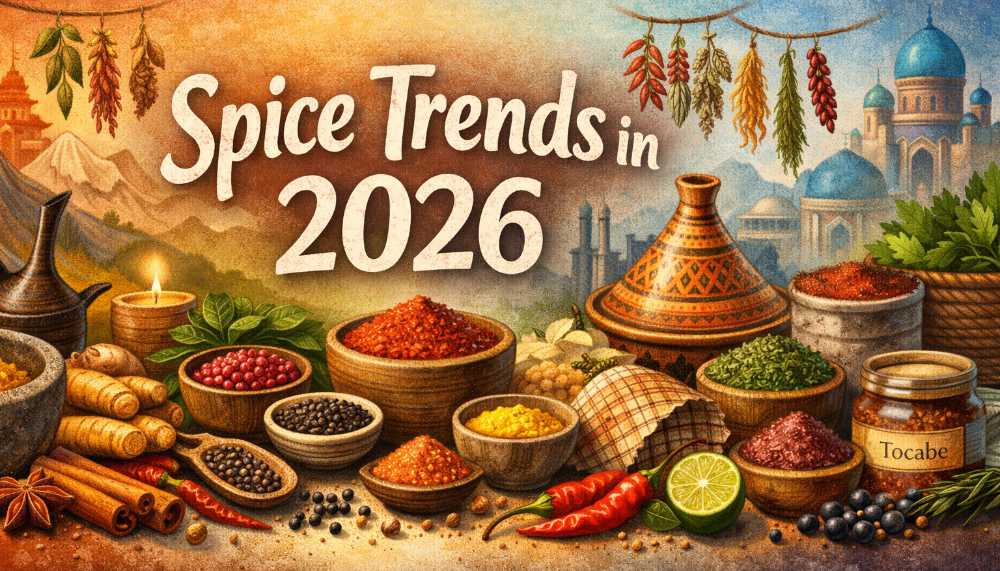
In kitchens from Vancouver to Halifax, 2026 is shaping up to be a landmark year for spice trends. As global palates continue to diversify and home cooks grow more adventurous, traditional seasonings are being reinvented, while novel spices from far-flung regions are finding their way into everyday meals. This year’s spice landscape reflects broader shifts in culinary curiosity, cultural fusion, and health-forward eating — and Canadian chefs and food lovers are at the forefront.
The Rise of Functional Flavours
One of the most notable trends of 2026 is the increasing demand for functional spices — seasonings that not only enhance flavour but also offer health benefits. Turmeric has long been touted for its anti-inflammatory properties, but this year it’s joined by allies such as ashwagandha, schisandra, and black seed (Nigella sativa). While these botanicals have roots in ancient traditions, their surge in popularity is backed by scientific interest in adaptogens and gut health. For reliable information on how herbs and spices interact with health, the Government of Canada’s own guidance on food additives and safety is a must-read: https://www.canada.ca/en/health-canada/services/food-nutrition/food-safety.html.
Consumers are becoming more intentional about what they add to their meals, seeking ingredients that contribute to mental clarity, balanced energy and overall wellness. This has driven up retail sales of spice blends specifically marketed for digestion, immunity and stress relief.
A Global Spice Passport
If 2025 was about dipping a toe into global flavour, 2026 is about diving in. Inspired by international travel and cultural exchange (both virtual and in-person), chefs and home cooks are exploring regions that have historically been underrepresented in North America’s culinary repertoire.
Take Ethiopian berbere, a vibrant red blend with chilli, korarima, and fenugreek, now showing up not just in injera but in roasted vegetables, soups and even cocktails. Filipino siling labuyo — a potent local chilli — is being paired with everything from tacos to tinned fish. Meanwhile, Uzbek baharat and Indonesian rempah are earning a second look, with home cooks mixing these into slow-cooked meats and grains. This trend aligns with the broader “global pantry” movement highlighted by the culinary experts at the James Beard Foundation, which champions diverse foodways and ingredient education: https://www.jamesbeard.org.
Food media and social platforms are amplifying this trend, with creators sharing step-by-step spice profiles, pairing guides and fusion recipe ideas that make unfamiliar flavours accessible.
Localism Meets Global Inspiration
While global spices are garnering attention, there’s also a strong pull toward local and sustainable seasoning options. Canadian producers and foragers are elevating homegrown herbs such as sweetgrass, sumac harvested from the prairies, and wild fennel from coastal regions. These local flavours are often blended with international spices to produce hybrid mixes that tell a story of place and heritage.
Farmers’ markets across Canada are bustling with artisanal spice vendors offering small-batch creations — think maple-smoked paprika or juniper berry and spruce tip blends. These combinations speak to a larger movement: connecting food with local ecology, supporting small producers, and embracing terroir in everyday cooking.
Heat, But With Nuance
Heat isn’t going anywhere in 2026, but it’s taking on more nuanced forms. The days of simply grabbing the spiciest chilli on the Scoville scale are fading; instead, cooks are paying attention to the flavour profile that heat brings.
Varieties like aji amarillo and piri piri balance fruity sweetness with moderate heat, making them versatile for sauces and marinades. Meanwhile, milder smoked peppers such as chile de árbol and pasilla are being used to deepen flavour in stews and grains without overwhelming the palate.
This nuanced approach extends to heat balances in everyday cooking. Restaurants in Toronto and Montreal report diners are now requesting spice levels that preserve the dish’s complexity rather than mute it under firepower.
Spice Blends with a Story
Another prominent trend is the proliferation of story-driven spice blends. Today’s consumers want to know not just what they’re eating, but why it matters. Blends inspired by personal narratives, traditional practices and ethical sourcing are resonating deeply.
For example, blends curated to honour Indigenous foodways are gaining traction on shelves and menus, often developed in partnership with Indigenous chefs and growers. These blends don’t merely provide flavour; they carry heritage and respect for traditional ecological knowledge.
Similarly, spice companies are being scrutinised for how they source ingredients, with transparency about fair wages, sustainable farming practices and carbon footprint becoming part of product narratives. This aligns with larger trends in conscious consumption and ethical eating.
Practical Tips for Spicing Up 2026
For home cooks eager to embrace this year’s spice trends, here are a few approachable ways to start:
-
Experiment slowly: Start by incorporating one new spice or blend into a familiar dish to understand its profile.
-
Build your own blends: Mix small amounts of complementary spices — for example, smoked paprika, ground cumin and a touch of cinnamon — for a balanced, smoky rub.
-
Store spices properly: Keep them in airtight containers away from heat and light to preserve potency.
-
Pair with purpose: Think about what you want a spice to do — add brightness, heat, earthiness — rather than just taste hot.
Looking Ahead
Spice trends in 2026 reflect a broader cultural shift toward mindful eating, inclusivity and flavour curiosity. Whether you’re drawn to the functional benefits of adaptogens, the vibrant palette of global seasonings or the grounded richness of local herbs, there’s never been a more exciting time to experiment with spices.
From humble home kitchens to high-end restaurants, the spice revolution is in full swing — and it’s adding depth, diversity and connection to every dish it touches.
